Kettering University is partnering with Inventev, a Detroit-based company founded by alumnus and former General Motors executive Dave Stenson ’86, to advance technology that could transform electric buses and utility trucks into mobile power sources.
The collaboration combines Kettering's electrical engineering expertise with Inventev's technology to test and validate a system that converts energy stored in electric vehicle batteries into standard 120-volt and 240-volt alternating current (AC) electricity. The technology could provide an alternative to traditional generators, supplying emergency power to homes, buildings, and critical community facilities during outages.
“An electric bus or truck could provide power, much like a diesel generator, to a small home or building for several hours or even days during an emergency,” said Dr. Allan Taylor ‘09, M’11, Associate Professor of Electrical Engineering.
Connecting Engineering Expertise With Industry
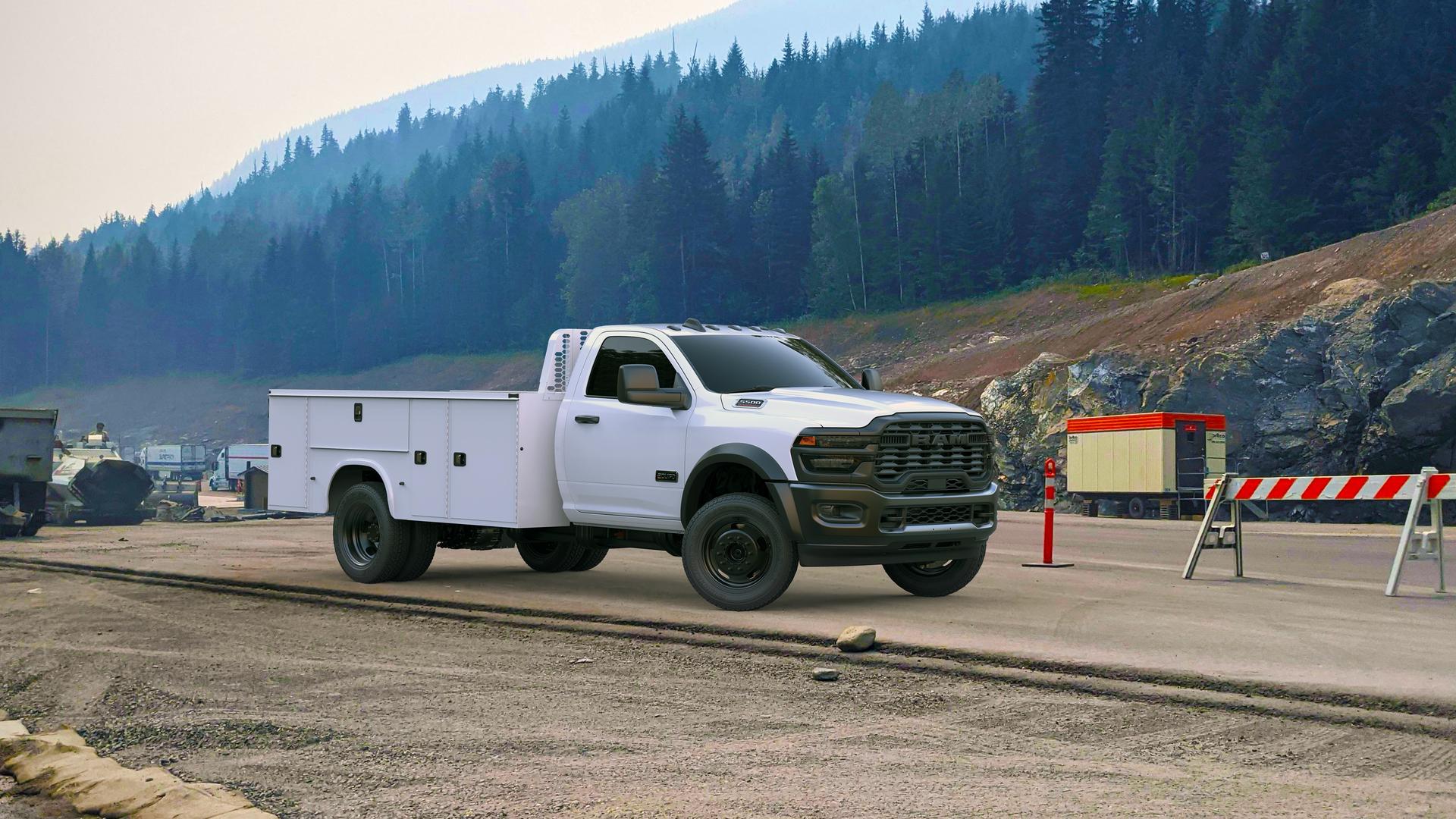
Inventev is developing power-export technology that could expand the capabilities of commercial electric vehicles beyond transportation. The company's work is also connected to ZMD Motors, another venture founded by Stenson that is developing medium-duty electric work trucks.
The technology uses bidirectional charging, allowing electricity to flow both into and out of a vehicle. This capability could enable electric buses and trucks to supply stored energy to external equipment and facilities when conventional power sources are unavailable.
Kettering's engineering team is evaluating Inventev's existing hardware, refining its software controls and testing system performance to help advance the technology toward commercial deployment.
The collaboration also connects Stenson's entrepreneurial work with the University where he began his engineering career. For emerging companies like Inventev, access to specialized testing equipment and engineering expertise can support technology development without requiring those capabilities to be established entirely in-house.
Potential Impact in Flint
A local food kitchen has been identified as a potential early demonstration site for the technology, illustrating how commercial electric vehicles could help maintain essential community services during emergencies.
The facility relies on freezers to preserve perishable food, making reliable electricity critical to its operations.
Through a potential collaboration with the Flint Mass Transportation Authority (MTA), fuel-cell electric buses equipped with power-export technology could supply temporary electricity during an extended power outage.
“If power goes out, the food kitchen could work with the Flint MTA to rotate buses to their location to keep the freezers running,” Dr. Taylor said.
Although the demonstration remains a future possibility, similar applications could eventually support emergency shelters, community facilities, and other locations where maintaining electrical service is critical.
Advancing Technology Through Applied Engineering
Testing will involve specialized electric-vehicle equipment, including recently acquired Chroma equipment installed at Kettering's GM Mobility Research Center (MRC).
The equipment was obtained through a Michigan Economic Development Corporation (MEDC) grant, with Scott LaForest, Kettering’s Connected and Autonomous Vehicle Technician, serving as the lead on that contract.
The engineering team includes Dr. Taylor, Dr. Chen Duan, Kettering Assistant Professor of Electrical Engineering, and engineering professionals Jon Larr and Jarin Kurashige.
Larr ‘22, M’26, a Kettering two-time alumnus, is contributing his professional engineering experience to the project, extending his involvement with the University through industry-focused technical work.
Scheduled to conclude in September 2027, the collaboration aims to advance Inventev's technology toward commercialization, with potential applications in commercial vehicle fleets and emergency power systems.