Back to the Future: Celebrating 30 Years of the GM EV1 at Kettering
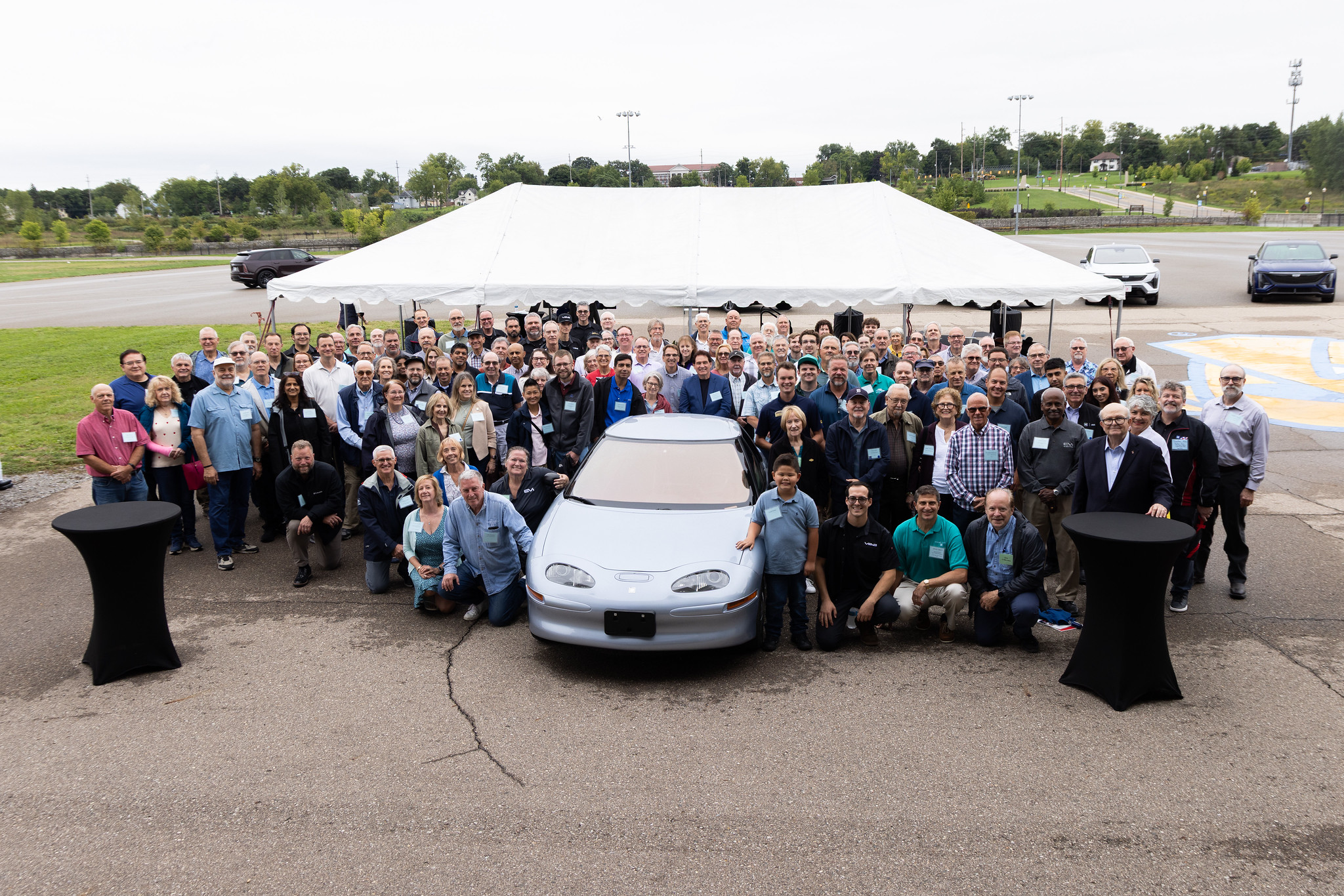
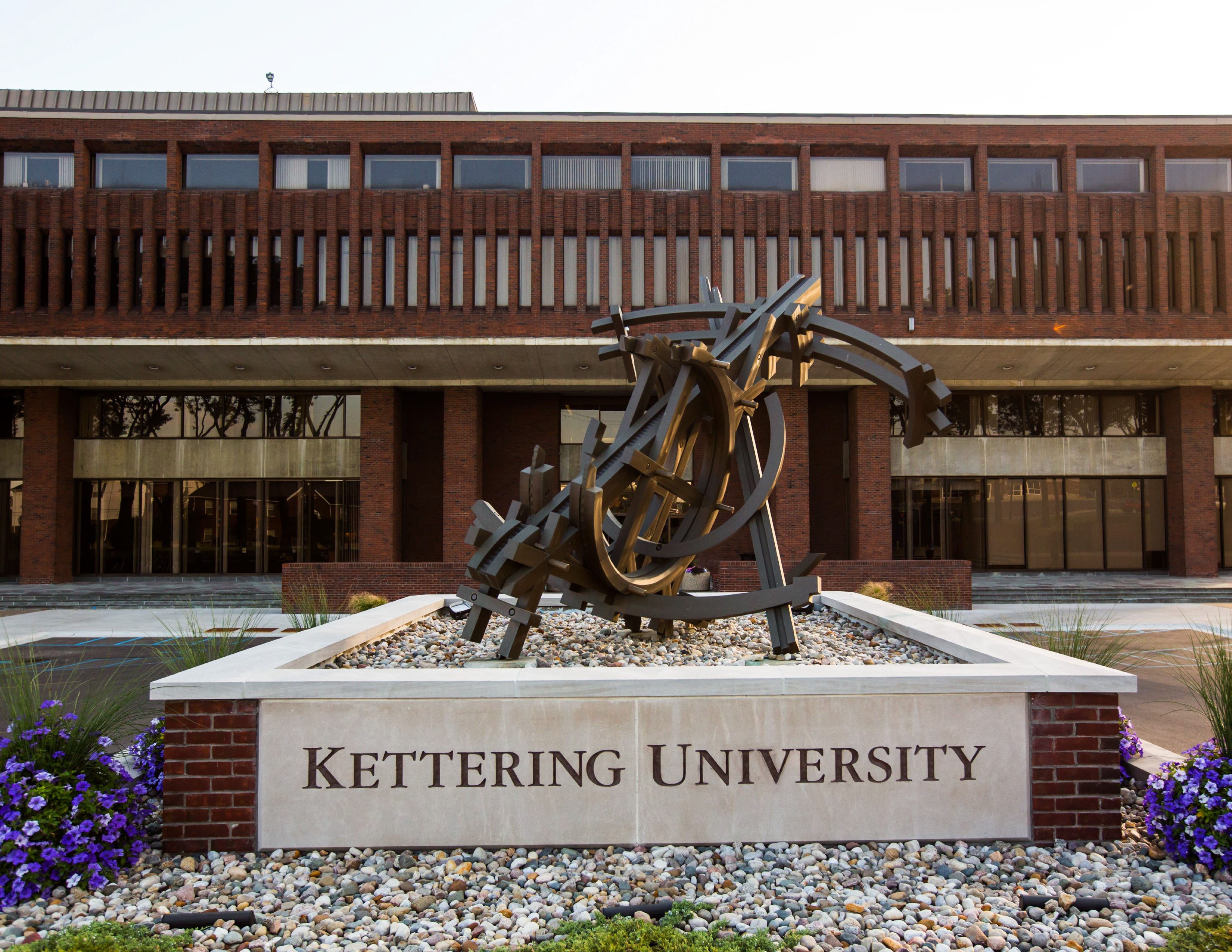
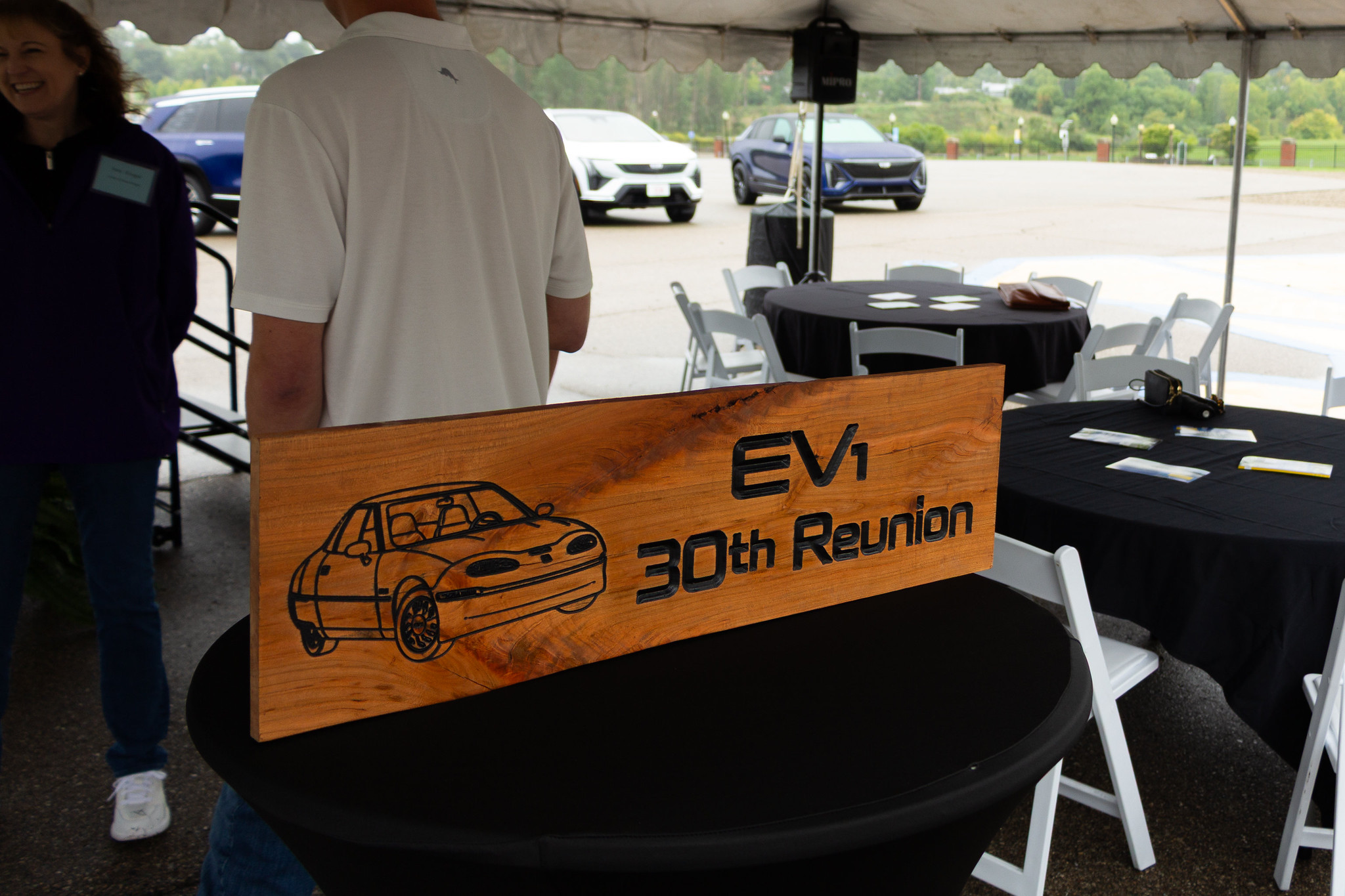 On Sept. 17, engineers, program leaders and colleagues from GM’s EV1 team filled the garage at Kettering University’s GM Mobility Research Center for a reunion marking 30 years since the revolutionary electric vehicle’s launch.
Many arrived wearing clothing from GM’s early EV programs: teal Electric Vehicle Division polos, “Precept” denim button-downs and vibrant “Impact” T-shirts. They were literally wearing their history on their sleeves.
“Most anniversaries celebrate something we can no longer touch,” Kettering University President Dr. Robert K. McMahan told the group, gesturing toward the University’s EV1. “But this one is parked right over there.”
The EV1 grew out of years of experimental work inside General Motors. In 1987, GM developed Sunraycer, the solar-powered vehicle that crossed Australia to win the inaugural World Solar Challenge. Lessons from that program helped lead to Impact, the electric concept GM unveiled at the Los Angeles Auto Show in 1990. Bob Purcell, a leader on the EV1 program, recalled how the Impact demonstrated what was possible.
“The truth of the matter is, it was a concept car,” Purcell said. “There were a lot of parts in there you could never make in continuous production. There was a lot of inventiveness, a lot of creative stuff, but it worked.”
The challenge for the EV1 team was to turn that working concept into a production vehicle. For Purcell, the engineering required to make that leap remains one of the program’s defining accomplishments.
“The engineering in the EV1 was absolutely a tour de force,” he said. “It was the first of its kind, way ahead of the rest of the industry.”
Some of the ideas first explored through those programs were on display and in motion at the reunion. Cadillac of Novi supported the ride-and-drive portion of the event, giving attendees the opportunity to take several vehicles onto Kettering’s proving ground test track. GM Cadillac arranged the static display featuring the CELESTIQ, LYRIQ, OPTIQ and ESCALADE IQ.
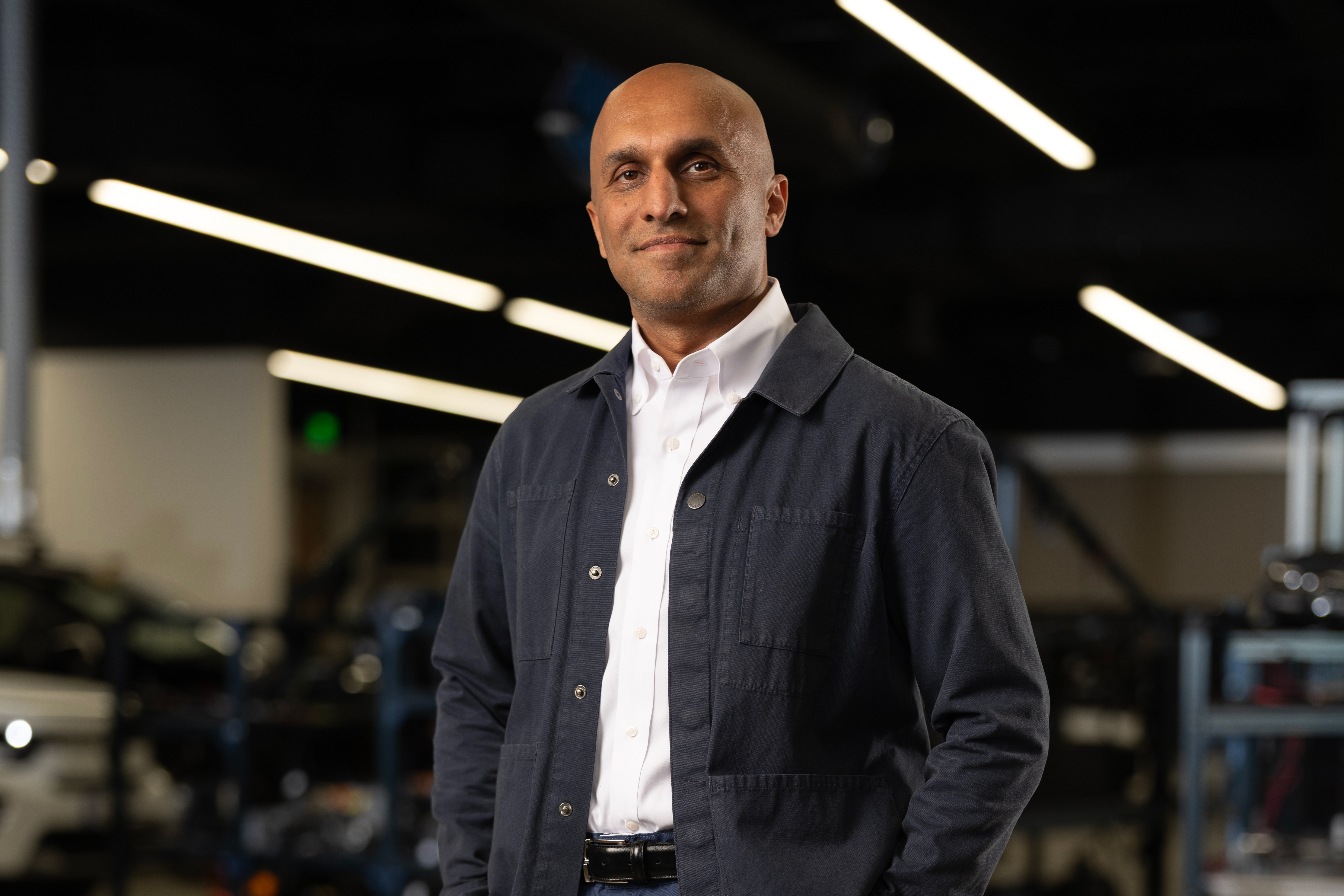
Kristian Aquilina, vice president of Global Cadillac, said the questions raised by EV1 still resonate in the way automakers think about new technology and the vehicles built around it.
“What’s really cool about EV1 is that it still asks a question we’re answering to this very day,” he said. “What if you were to build a luxury vehicle around a new technology? How would that inform the overall definition of that product, the design of that product, the experience and the customer interaction?”
The gathering also underscored that the EV1’s legacy was not confined to technology. Event committee lead Linda Ludek Brouns, who worked on EV1 propulsion systems during her career at GM, reflected on what the program had meant to her.
“I’ve had some fantastic experiences at General Motors, but my favorite job in more than 30 years at GM was being a propulsion systems engineer for the EV1,” Brouns said.
Purcell’s memories were equally personal. The relationships formed while developing the car, he said, extended well beyond the work itself.
“We were family. We really were,” he said. “It was more than just making a car. It was making history.”
Part of that history eventually found a home at Kettering.
In 2001, GM’s Advanced Technology Vehicles organization identified the University as a potential recipient of a first-generation EV1 for educational purposes. In its original correspondence, GM expressed its desire to see the vehicles “utilized by the next generation of engineering and science students and researchers.” The University later loaned its EV1 to the Sloan Museum to support public understanding of electric vehicle technology before the car returned to campus.
That educational purpose remains part of the EV1’s role at Kettering. President McMahan challenged students at the reunion to learn not only what the team accomplished, but how its members responded when the work did not go as planned.
“Find one of these engineers and ask them what went wrong and what they did about it the next morning,” he said. “That is the part of engineering that no textbook fully captures. And the people who can teach it to you are here today.”
Returning once more to the car beside them, McMahan summed up the distinction between preserving an engineering achievement and preserving what can still be learned from the people who created it.
“What you built is parked right here,” he told them. “But how you built it never retired.”