WJR College Tour Spotlights Kettering University's Co-op Advantage
WJR's 2026 College Tour kicked off at Kettering University, spotlighting cooperative education, career preparation, and the student experience through conversations with the people who know Kettering best.
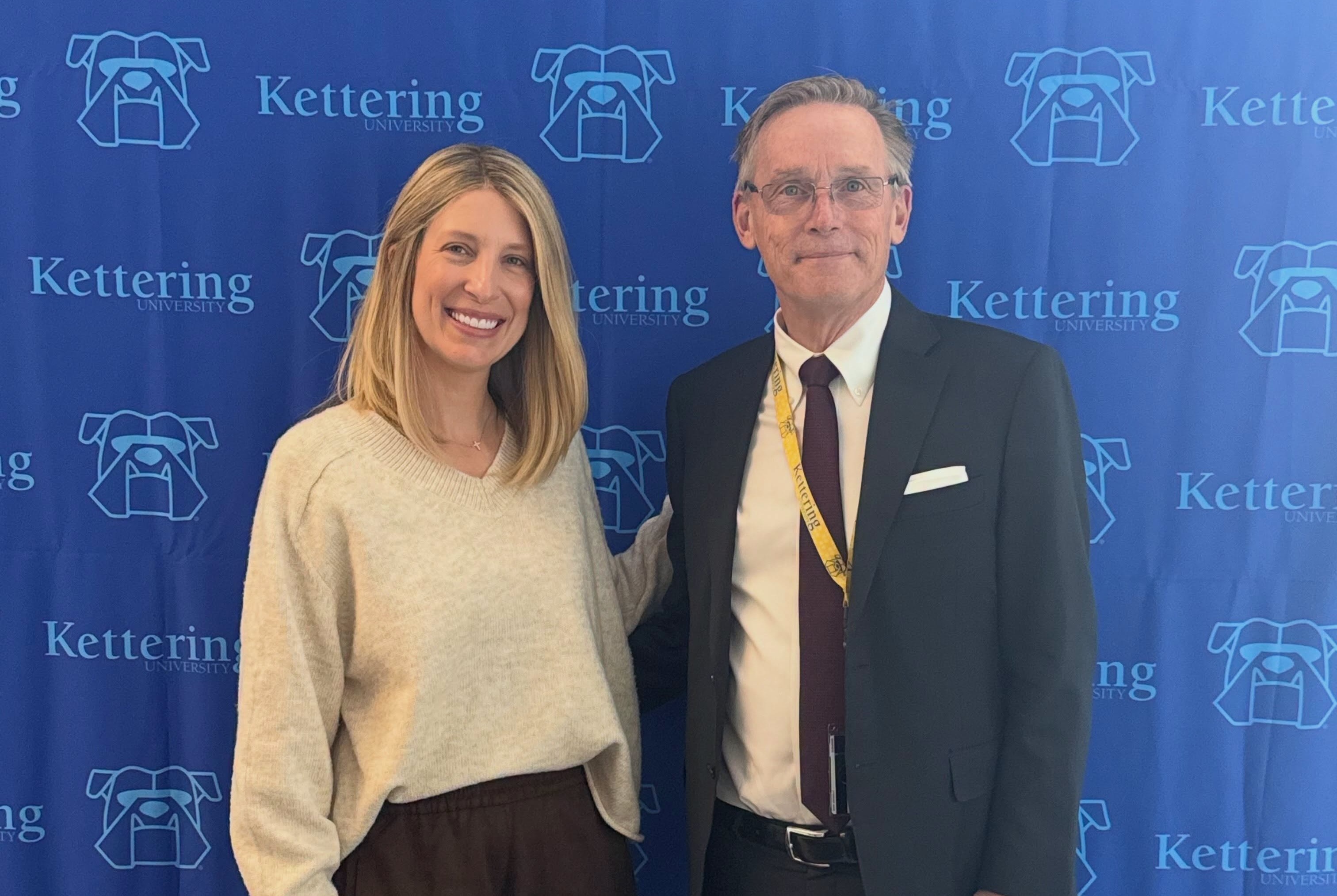
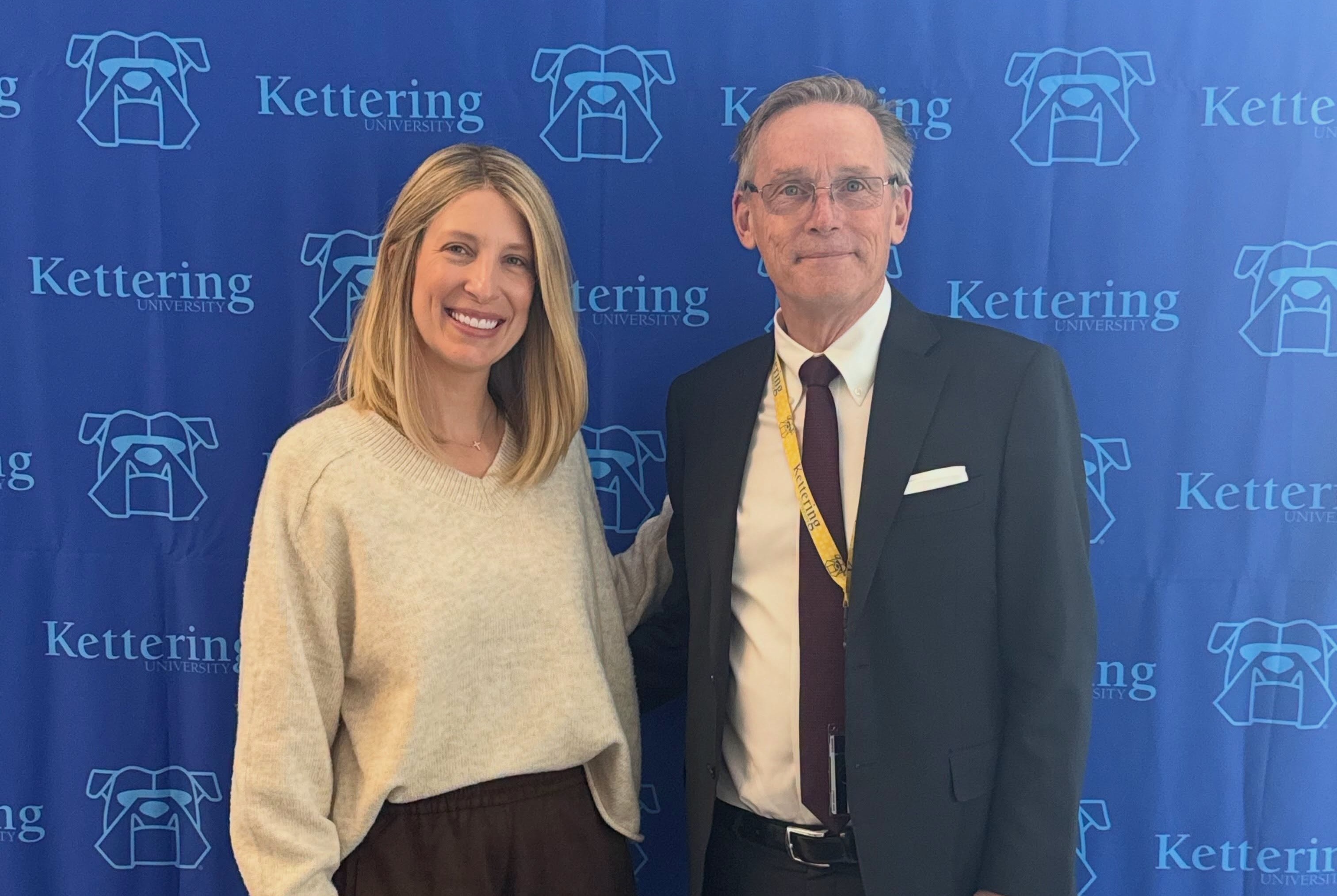
During the broadcast, Kettering University President Dr. Robert K. McMahan joined host Jamie Edmonds to discuss the University's history, its longstanding connections to industry and the role of cooperative education in preparing students for their careers.
"The university was founded a hundred years ago on this idea that about half of what you need to learn in any professional career, you can't actually learn in a university," McMahan said. "You can learn theory. You can get the intellectual foundation for it, but you can't learn it all there."
That distinction remains central to Kettering's cooperative education model, where students alternate academic terms with paid, full-time professional employment. As their studies progress, students take on increasingly complex responsibilities in the workplace.
"As they're advancing in their education and taking more advanced classes, they're getting more and more responsibility. They're getting exposed to much more complex and challenging problems in their professional roles," McMahan said. "Those two pieces inform each other. They feed each other."
Beyond the student experience, McMahan discussed how Kettering's industry partnerships enable employers to actively develop future professionals.
"The universal thing for our employer partners is that they get to help fashion the next generation of engineers and professionals in their disciplines," McMahan said. "The students they're working with become familiar with their corporate cultures, their workflow, all their systems, and they get to evaluate those students in real time, under friction and under pressure."
The Kettering Experience: From Enrollment to Industry
The broader WJR conversations explored what that approach means for students, from the financial investment in earning a degree to navigating the Co-op job search and gaining experience in their chosen fields.
Suzanne Petrusch, Vice President of Enrollment Management, addressed questions about the cost of higher education, citing scholarship support, Co-op earnings, and career outcomes as measures of Kettering's return on investment.
Petrusch noted that students typically earn $55,000 to $75,000 or more throughout their Co-op experiences, helping offset educational expenses while building substantial professional résumés.
"This isn't light work. This is real work in engineering, in computer science, in management," Petrusch said. "They are sometimes leading teams. They're leading projects. Some of these students have patents by the time they graduate."
While those opportunities offer financial and professional benefits, students are responsible for earning their own Co-op positions.
Sarah Perkins, Associate Director of Co-op and Career Design, emphasized that Kettering provides career coaching and employer connections, but students must navigate the application and interview process themselves.
"These experiences do help the students become more adaptable, receptive to feedback, and confident in their ability to navigate the professional world," Perkins said.
Mechanical Engineering student Alex Nichols '27 shared how Kettering's Co-op model has allowed him to begin building his career before graduation, while pursuing his interests in engineering and entrepreneurship.
"It really boils down to the Co-op program," Nichols said. "I love the idea of getting that two and a half years of experience before I've graduated. There's no gap between school and work."
At Freudenberg, Nichols has experienced firsthand the connection between academic coursework and professional responsibilities. He recalled recently applying Bernoulli's principle, a concept from fluid dynamics, to complete a test stand.
"I had the base principle of how to use that and apply it in my Co-op," Nichols said. "I was able to complete a test stand that I was working on. So having that crossover of being able to apply the work that I'm learning, it's been amazing."
Nichols also sees his experience at Freudenberg as a potential starting point for his career after graduation, even as he works toward building his own company.
"I like the work that I'm doing, creating tests for all these electric cars. It's been awesome," Nichols said. "But long term, I'd love to have my own company."
Across each interview, a clear pattern emerged: Kettering students aren't simply gaining experience before graduation. They're taking responsibility for their professional growth, navigating workplace challenges, and building careers while completing their degrees.
Listen to the interviews: Explore Kettering University's coverage from the 2026 WJR College Tour and the individual interviews in the WJR College Tour Podcast Archive.